
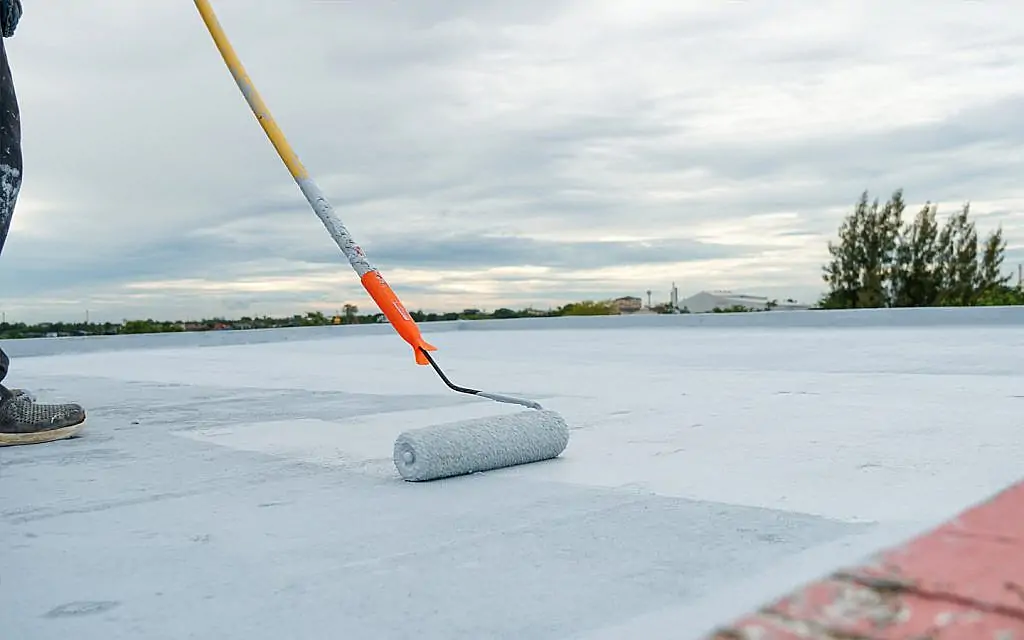
Water damage is one of the most destructive and expensive problems a UAE property owner can face — and in almost every case, it traces back to a single root cause: inadequate or failed waterproofing. Whether it’s a bathroom leak seeping into the floor below, a roof terrace letting rainwater penetrate the building structure, or rising damp affecting ground floor walls, proper waterproofing is the unglamorous but absolutely essential foundation of a watertight, durable UAE property. This guide covers everything you need to know about waterproofing services as part of renovation and fit out works in the UAE.
Why Waterproofing Is Critical in the UAE
While the UAE is widely known for its arid climate, water damage remains one of the most common and costly building problems in the region. This is due to several factors specific to UAE construction and climate. Heavy water usage in bathrooms, kitchens, and outdoor areas creates constant exposure to moisture in specific zones. Flat roof and terrace designs, common throughout the UAE, are particularly vulnerable to water pooling if waterproofing or drainage falls is inadequate. Rapid construction timelines sometimes compromise the quality of waterproofing installation, leading to premature failures. And the extreme temperature swings between scorching daytime heat and cooler nights cause expansion and contraction that can crack inadequately specified waterproofing membranes over time.
When waterproofing fails, the consequences extend far beyond a simple leak — structural steel can corrode, concrete can spall, mould and mildew can proliferate, and the property below or adjacent to the failure point can suffer extensive damage to finishes, furnishings, and electrical systems.
Key Areas Requiring Waterproofing in UAE Properties
Bathrooms and Wet Areas
Bathrooms are the single most common location for waterproofing failure in UAE residential properties. A properly waterproofed bathroom requires a continuous membrane applied to the floor and up the walls to an adequate height (typically 1.2–1.8 metres in shower areas, full height behind baths), with particular attention to junctions between floor and wall, around floor drains, and at any pipe penetrations. Every junction and penetration point is a potential failure point if not properly detailed and sealed. As part of our bathroom renovation projects, waterproofing is always tested before tiling begins — a critical quality control step that many lower-quality contractors skip.
Roofs and Terraces
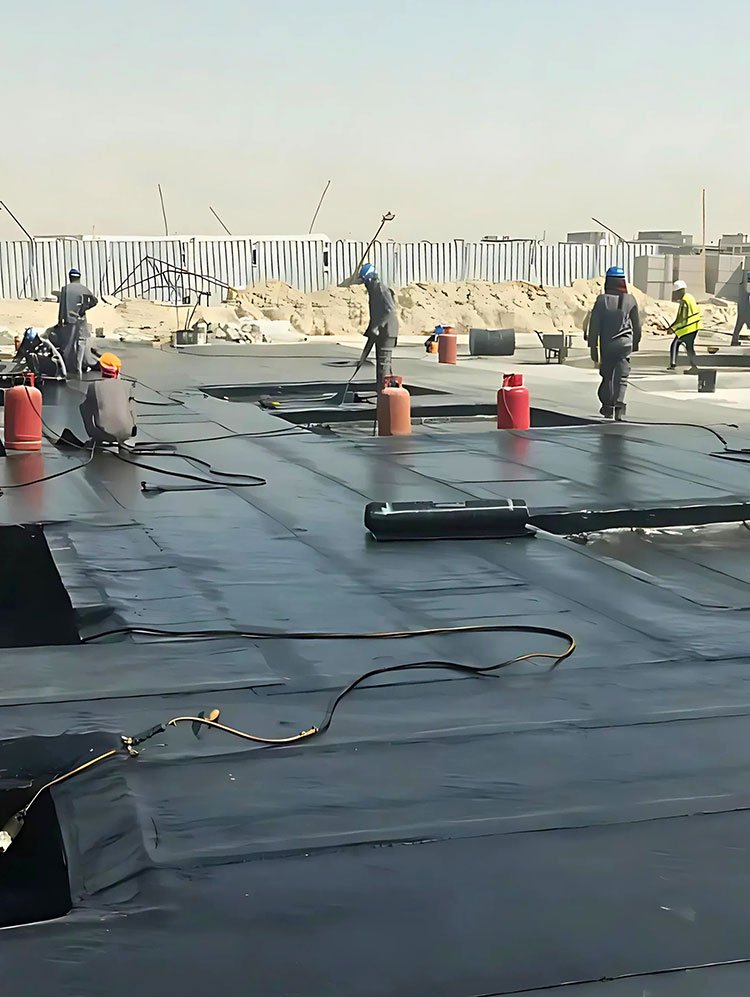
UAE villa roofs and terraces are particularly demanding waterproofing applications due to constant direct sun exposure, occasional but intense rainfall, and the need to handle ponding water effectively. Effective roof waterproofing combines a high-quality membrane system (commonly liquid-applied polyurethane or torch-applied bituminous membranes) with correctly designed drainage falls that direct water efficiently to outlets, and protective screed or paving above the membrane to prevent UV degradation and physical damage. Roof waterproofing failures are particularly serious as they can affect multiple floors below if left unaddressed.
Swimming Pools
Swimming pools require specialist waterproofing systems capable of withstanding constant water immersion, pool chemicals, and significant structural movement. Pool waterproofing failures can cause significant water loss, structural damage to the surrounding deck and foundations, and expensive remediation involving complete pool draining and membrane replacement. Any villa renovation involving pool works should always include a thorough waterproofing assessment as a priority item.
Balconies and External Walkways
Balconies and external walkways in UAE apartments and villas require waterproofing to prevent water penetrating into the structure below, with correctly designed falls directing water away from the building and towards designated drainage points. Poor balcony waterproofing is a common cause of staining and damage on the ceiling of the unit below in multi-storey UAE buildings.
Basements and Below-Grade Structures
Properties with basement levels require comprehensive waterproofing to resist groundwater pressure and prevent moisture ingress, particularly relevant in certain UAE locations with higher water tables. Below-grade waterproofing typically requires a more robust, multi-layer approach than above-ground applications, given the constant hydrostatic pressure these structures must withstand.
Common Waterproofing Materials Used in UAE Construction
Different applications call for different waterproofing systems. Liquid-applied polyurethane membranes are flexible, seamless, and well suited to roofs, terraces, and complex geometries with multiple penetrations. Cementitious waterproofing coatings are commonly used in bathrooms and wet areas due to their ease of application and excellent bond with tile adhesives. Bituminous (torch-applied) membranes provide robust, proven performance for larger roof areas and below-grade applications. And crystalline waterproofing admixtures can be incorporated directly into concrete during construction for below-grade structures requiring the highest level of water resistance.
Choosing the correct system for each specific application — and ensuring it is installed by experienced, properly trained applicators — is essential to long-term performance. Our technical and fit out teams specify and install the appropriate waterproofing system for every project based on the specific application, exposure conditions, and budget.
Signs of Waterproofing Failure in UAE Properties
Recognising the early warning signs of waterproofing failure allows you to address the problem before it causes extensive damage. Watch for damp patches or discolouration on ceilings or walls, particularly below bathrooms or external terraces; peeling or bubbling paint, often indicating moisture trapped behind the surface; musty odours suggesting hidden mould growth; visible efflorescence (white, powdery mineral deposits) on concrete or masonry surfaces, indicating water movement through the material; and cracking or lifting tiles, which can both result from and contribute to waterproofing failure beneath the surface.
If you notice any of these signs, prompt investigation is essential — waterproofing problems virtually always worsen over time and become more expensive to remediate the longer they are left unaddressed.
Waterproofing as Part of Renovation and Fit Out Projects
Waterproofing should never be treated as an afterthought in any UAE renovation or fit out project. It is foundational work that must be completed correctly before any subsequent tiling, flooring, or finishing works proceed — retrofitting waterproofing after tiles have been laid requires complete demolition and reinstallation, at far greater cost than getting it right the first time. As part of every villa and apartment renovation and interior fit out project we undertake, waterproofing is assessed, specified, and properly tested before any finishing works commence.
Waterproofing Costs in UAE
Waterproofing costs vary based on the area, application, and system specified. As a general guide: bathroom waterproofing typically ranges from AED 15–30 per sq ft; roof and terrace waterproofing ranges from AED 25–50 per sq ft depending on the system and complexity; and swimming pool waterproofing typically ranges from AED 35–70 per sq ft given the specialist materials required. These figures are typically included within the overall scope of bathroom renovation or roof works rather than quoted separately. Contact Real Express for a detailed assessment and quotation for your specific property.
Waterproofing Services Across All UAE Emirates
Real Express delivers expert waterproofing as a core component of our villa and apartment renovation and interior fit out services across all seven UAE emirates. We also provide comprehensive technical services and interior design and decoration — ensuring every project is built on a properly waterproofed, durable foundation.
Frequently Asked Questions — Waterproofing UAE
How long does waterproofing last in UAE properties?
Properly installed, high-quality waterproofing should last 15–25 years in most applications, though roofs and terraces exposed to constant UV and weather may require recoating or renewal sooner, typically every 10–15 years. Bathroom waterproofing beneath tiles, if installed correctly, should last the lifetime of the tiling.
Can waterproofing be repaired without removing all the tiles?
In most cases, no — since the waterproofing membrane sits beneath the tiles, accessing and repairing it typically requires removing the affected tiles first. This is why correct initial installation and pre-tiling testing is so important to avoid costly future remediation.
How do I know if my UAE villa roof needs re-waterproofing?
Signs include visible cracking or blistering of the existing membrane, ponding water that doesn’t drain within 24–48 hours after rain, and any internal staining on ceilings below the roof. Our team conducts thorough roof inspections to assess the condition of existing waterproofing and recommend appropriate action.
Get a Free Waterproofing Assessment From Real Express
Whether you’re planning a bathroom renovation, addressing an existing leak, or want a roof assessment before the rainy season, Real Express Interiors Decoration LLC delivers expert waterproofing solutions across the UAE.
📞 Call: +971 45 709 540
📧 Email: info@realexpressuae.com
🌐 Website: www.realexpressuae.com
Explore our services: Villa & Apartment Renovation UAE | Interior Fit Out Works UAE | Technical Services UAE | Interior Design & Decoration UAE