
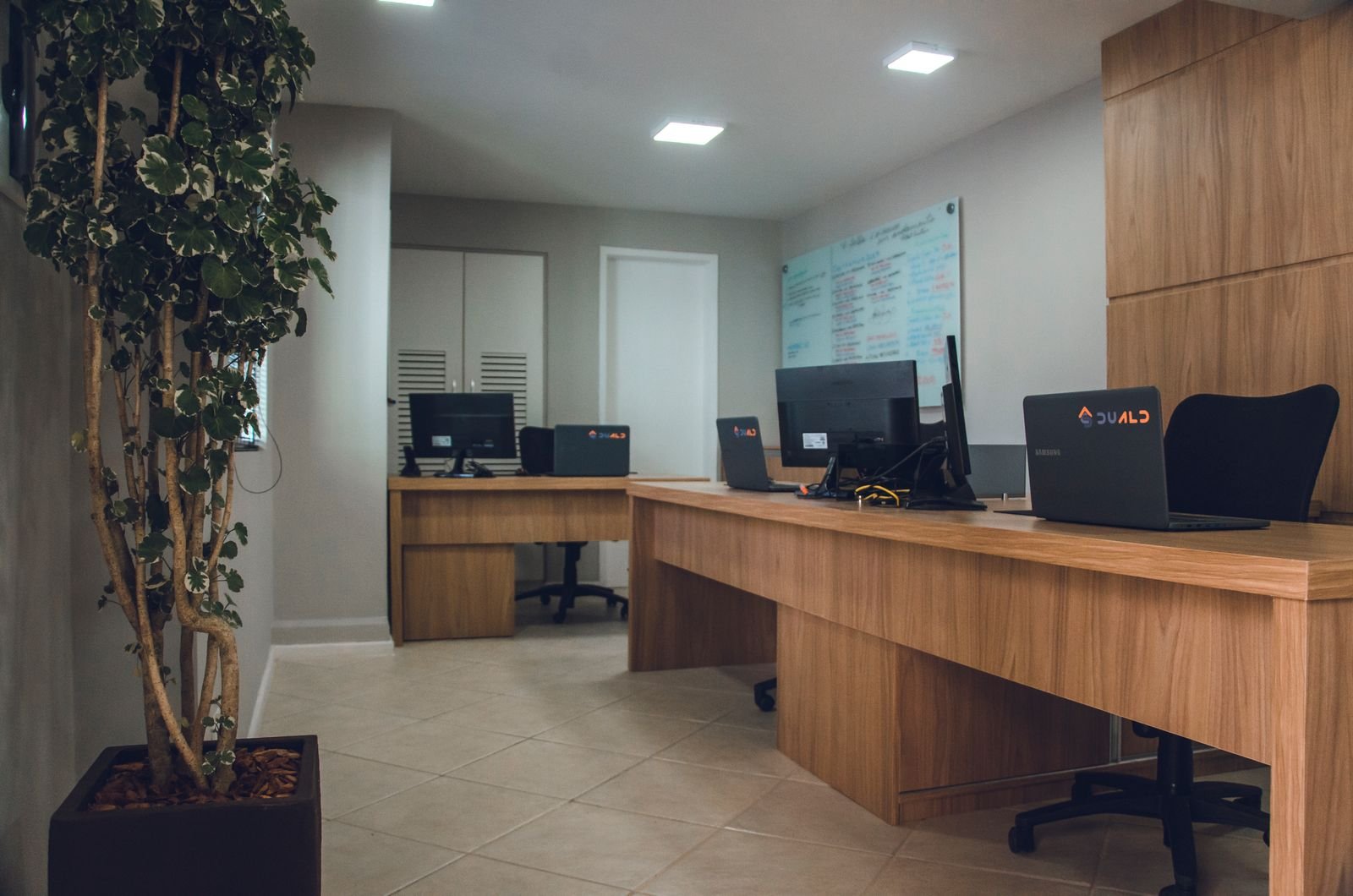
For most businesses, the biggest concern with any office upgrade is not the design, it is the disruption. A well-managed office renovation Dubai project can be phased carefully so your team keeps working with minimal interruption.
Phase the Work by Zone
Rather than closing the entire office at once, work can often be split by floor, wing, or department, so only one area is affected at a time while the rest of the business continues normally.
Schedule Noisy Work After Hours
Partition installation, drilling, and flooring work can be scheduled evenings or weekends, which keeps daytime operations quiet and undisturbed.
Set Up a Temporary Work Zone
For smaller offices, a temporary desk area in an unused meeting room or nearby space can keep staff productive while their usual area is being renovated.
Communicate the Timeline Early
Sharing a clear schedule with your team in advance reduces frustration and helps everyone plan around key milestones like partition removal or final handover.
Work With a Single Accountable Contractor
Coordinating separate electricians, partition installers, and painters yourself is where most delays happen. A single in-house team removes that risk entirely.
What to Confirm Before Signing a Contract
Before work begins, confirm exactly which hours the team will be on site, how noisy work like drilling and partition installation will be scheduled, and who your single point of contact will be for the duration of the project. These details, agreed in writing upfront, prevent most of the friction that occurs mid-project.
Involving Your Team in the Plan
Employees adapt far better to office changes when they understand the reasoning and timeline behind them. A short briefing before work starts, along with regular updates as phases complete, keeps morale steady throughout what can otherwise feel like a disruptive period.
Post-Renovation Settling In
Once work is complete, build in a short adjustment period for staff to get used to new layouts, storage locations, and meeting room setups. A walkthrough with your team on day one saves confusion in the following weeks.
Choosing the Right Contractor for Minimal Disruption
Not every renovation contractor is equipped to work around an active business. When interviewing contractors, ask specifically about their experience with occupied office renovations, how they handle dust and noise containment, and whether they can provide references from similar projects. A contractor who only has residential experience may underestimate how disruptive certain work can be to a functioning office environment.
Protecting IT Infrastructure During Renovation
Servers, networking equipment, and sensitive electronics need special handling during any renovation involving electrical or structural work. Coordinate with your IT team or provider well in advance to plan temporary relocations or additional protective measures, since downtime to critical systems can be far more costly than the renovation delay itself.
Signage and Client-Facing Considerations
If your office receives client visits during the renovation period, clear signage directing visitors around affected areas and maintaining a presentable reception area matters for your brand image. Many businesses choose to renovate the reception and client-facing areas last, once the rest of the office is complete, so first impressions remain polished throughout the project.
Post-Renovation Productivity Gains
While the renovation period itself is disruptive, businesses consistently report improved employee satisfaction and productivity once the new space is complete. Better acoustics, improved lighting, and more functional layouts address day-to-day frustrations that may have been building for years, making the short-term disruption worthwhile for the long-term gain.
Handling Furniture and Equipment During Renovation
Deciding early whether existing furniture will be reused, stored, or replaced affects both your budget and the renovation schedule. Clear labelling and a dedicated storage area for items being kept prevents loss or damage during the construction phase.
Acoustic Planning for Open Offices
Sound management deserves early attention in any office renovation, since noise complaints are consistently one of the top frustrations in open-plan workplaces. Acoustic ceiling baffles, sound-absorbing wall panels, and carpet tile flooring all reduce ambient noise significantly compared to hard surfaces throughout, and these elements are far easier to integrate during a renovation than to retrofit afterward.
Branding Integration in Office Design
Beyond paint colors, brand integration can include custom reception desk design, feature walls reflecting company values or history, and consistent signage throughout the space. This creates a stronger first impression for clients and reinforces company culture for employees who spend the majority of their week in the space.
Energy Efficiency Considerations
LED lighting throughout, motion sensors in low-traffic areas like storage rooms, and upgraded insulation around glass partitions all contribute to lower utility costs after renovation. Many of these upgrades pay for themselves within a few years through reduced energy bills alone.
Choosing Flexible Lease-Friendly Finishes
For businesses renting their office space, discussing which renovation elements can be removed or modified without penalty at lease end is worth clarifying with your landlord beforehand. Demountable partition systems, for example, offer more flexibility than permanent walls if relocation is a possibility within your lease term.
Involving Facilities Management Early
If your building has an in-house facilities management team, looping them into your renovation plans early helps avoid conflicts with building-wide maintenance schedules, shared HVAC systems, or freight elevator booking, all of which can otherwise cause unexpected delays once work begins.
Managing Vendor and Supplier Deliveries
Coordinating delivery schedules for furniture, partitions, and finishes so they arrive in the correct sequence avoids materials sitting in hallways or blocking work areas. A detailed delivery schedule shared with your contractor and reception team keeps the renovation site organized throughout the project.
Setting Clear Success Criteria Before You Start
Before any work begins, define what success looks like for your office renovation, whether that is a specific number of new workstations, a target completion date, or a particular budget ceiling. Sharing these criteria clearly with your contractor from the outset keeps the project focused and makes it easier to evaluate whether the finished result has actually met your business objectives.
Learning From Other Businesses’ Renovation Experiences
Speaking with other business owners who have recently completed an office renovation, even informally, often surfaces practical lessons that are not obvious until you are mid-project yourself, from unexpected approval requirements to which finishes held up best under daily office use.
Reviewing Past Projects Before You Commit
Requesting to see photographs or, where possible, visit a previously completed office renovation gives a far clearer sense of a contractor’s actual finish quality than a glossy proposal document alone. Speaking directly with a past client about their experience, including how issues were handled, is equally valuable before signing a contract.
Documenting the Space Before Renovation Begins
Thorough before photographs of every area, along with a written inventory of existing furniture and fixtures, protects both parties if any dispute arises later about the original condition of the space or what was agreed to be removed versus retained.
Keeping Stakeholders Aligned Throughout
Weekly short check-ins between your internal project lead and the contractor’s site supervisor, even just fifteen minutes, catch small issues before they become larger problems and keep everyone working from the same up-to-date understanding of progress and any emerging decisions needed.
Plan Your Fit-Out With Minimal Disruption
Every business is different, so the right phasing plan depends on your floor plan and operating hours. Find out how a office renovation in Dubai can be scheduled around your business, not the other way around. Taking these steps early consistently results in office renovations that finish on schedule and genuinely meet the needs of the team using the space every day.